
tart like Learn more about tart like
-
Coffee Bean Origins and Detailed Introduction - Yellow Bourbon Coffee Beans with Basic Characteristics Tart Like Small Lemon

Professional coffee knowledge exchange for more coffee bean information, please follow Coffee Workshop (WeChat public account cafe_style). FrontStreet Coffee - Yellow Bourbon coffee variety introduction. The origin of Brazilian Yellow Bourbon: as a coffee variety, Yellow Bourbon has been planted on this land for nearly 90 years. By the 1850s, Brazil had become a major global coffee producer. But the coffee at that time...
2020-02-08 coffee beans origin detailed introduction yellow bourbon basic characteristics tart like lemon -
How to Choose Coffee Bean Flavors: Do Female Coffee Drinkers Prefer Sour Coffee Beans?
When it comes to selecting coffee beans, there are many aspects to consider. For those who enjoy black coffee, you can follow your daily preferences and, of course, discuss with baristas. Additionally, there's another question to consider: what do you usually pair with your coffee? Whether you're drinking it plain or pairing it with food
2021-12-02 coffee beans flavor selection coffee preferences sour coffee black coffee coffee pairing -
Flavor Profile of Kenya Washed AA Grade Kirinyaga Region Kabare Koinangui Processing Station Specialty Coffee Beans
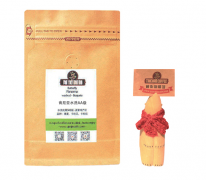
Flavor Description: Intense lemon and plum aromatics in both dry and wet fragrance. When lightly roasted, the cup reveals stunning floral notes and lemon aromatics, with flavors reminiscent of grapefruit green tea and citrus juice—sweet, tart, and juicy. Slightly deepening the roast brings out honey and raspberry-black plum flavors, while the finish leaves a delightful sweet-tart sensation like green tea. This Kenya comes from the Kabare Koinangui Processing Station in Kenya's Kirinyaga region.
2017-04-05 Kenya Washed Kirinyaga Region Kabare Koinangui Processing Station Specialty Coffee -
The Science Behind Anaerobic Fermentation in Rose Valley Coffee Beans: Why Anaerobically Processed Coffee Extracts Quickly
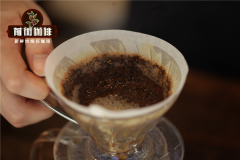
Introduction: Many enthusiasts have asked FrontStreet Coffee why when brewing anaerobically processed coffee beans at home, despite using a grind size appropriate for medium-roast beans, the extraction flow is exceptionally fast, leaving the final coffee tasting watery... Where does the problem lie? This article explores the intricacies of brewing anaerobically processed coffee beans.
2025-07-03 anaerobic processing coffee beans pour over parameters techniques brewing special extraction fast -
How to Calculate Pour-Over Coffee Grounds to Water Ratio? What's the Ideal Three-Stage Pouring Ratio for 20g of Coffee Grounds?
Professional coffee knowledge exchange for more coffee bean information, please follow Coffee Workshop (WeChat public account: cafe_style). Pour-over coffee brewing guide: water-to-coffee ratio 1:15--1:17. For example, if your water-to-coffee ratio is 1:16, using 10g of coffee means the water should be 10x16=160ml.
2023-02-06 pour-over coffee grounds ratio how-to 10 grams how much grams water suitable professional coffee -
Why Do Citrus Flavors Always Appear in Light Roast Coffee Descriptions?

Fruity acidity and floral notes, as signature flavors of medium-light roast coffee beans, are deeply beloved by people. Recently, a coffee enthusiast who loves acidic coffee asked FrontStreet Coffee why their light roast bean flavor descriptions all seem similar and why "citrus" always appears. Why is this? When purchasing coffee beans...
2024-01-12 light roast coffee citrus flavor coffee acidity fruit notes floral notes coffee brewing -
Yirgacheffe Coffee Bean Flavor and Taste Profile Introduction - Characteristics and Stories of Ethiopia's Famous Coffee Growing Region
Follow Coffee Review (WeChat official account vdailycom) to discover wonderful cafes and open your own small shop. Yirgacheffe is a small town in Ethiopia, situated at an altitude of 1700-2100 meters, located in the northwest of the Sidamo province, surrounded by mountains and lakes. It is one of Ethiopia's highest altitude coffee growing regions, and also...
2025-08-14 Yirgacheffe coffee taste Ethiopia attention coffee review WeChat public -
What Does Kenyan Kungyu Taste Like and How to Brew Kenyan Coffee

Professional barista exchange - follow Coffee Workshop (WeChat official account: cafe_style). Hand-brewed Kungyu. 15g beans, medium-fine grind (Fuji Royal grinder 3.5 setting), V60 dripper, 91-93°C water temperature, first pour 30g water, 27-second bloom, pour to 105g then pause, wait until the water level drops halfway before continuing, slow pour until reaching 225g total, avoid the final tail section
2017-05-23 Kenya Kungyu taste coffee how to brew -
What's the Recipe for Tomato-Infused Coffee? Can Tomato Juice Be Used for Iced Americano?
At FrontStreet Coffee, there's a particular bean that has won the hearts of many with its unique fruity aroma. Whether served cold or hot, it always presents a refreshing, juicy sweet and sour taste. It's the Assalia from Kenya, with its rich, small tomato-like fragrance being one of its most distinctive characteristics. Recently, FrontStreet Coffee noticed a brand launching a tomato Americano coffee...
2025-02-12 tomato coffee recipe tomato infused coffee tomato iced americano coffee recipes specialty coffee -
The Origin and Development of Kenya AA Grade Kirinyaga Kabare Koinangoi Processing Station Premium Coffee Beans

According to SL Laboratory botanists, SL28 and SL34 are genetic variants. Among them, SL28 has a mixed lineage of French Mission, Mocha, and Yemeni Typica. The original goal of cultivating SL28 was to produce coffee beans in large quantities that combine high quality with resistance to pests and diseases. Although SL28's yield was not as high as expected, its copper-colored leaves and broad bean-shaped coffee beans possess remarkable
2017-04-06 Kenya Washed Kirinyaga Region Kabare Koinangoi Processing Station Premium Coffee -
Differences, Distinctions, and Award Recognition between Kenya Washed AA Grade Kirinyaga Region Kabare and Kongyu Varietals

Professional Barista Exchange - Please follow Coffee Workshop (WeChat official account: cafe_style) Kenya's coffee trees are predominantly grown at altitudes between 1,400-2,000 meters, with growing regions including Ruiri, Thika, Kirinyaga, Mt. Kenya West, Nyeri, Kiambu, and Muranga. Primarily located in the foothills of Mt. Kenya and Aberdare. In Kenya, many growing regions strive to preserve the original
2017-05-13 Kenya washed Kirinyaga origin Kabare Kongyu differences distinction awards -
Kenya Washed AA Grade Kirinyaga Kabare Kongyu Factory Single Origin Specialty Coffee

This batch of Kongyu AA coffee cherries is sourced from 250 farmers under the Kabare Farmers Cooperative Society, processed at the Kongyu Factory. After being pulped, fermented, and washed with water from the nearby Kongyu River, the coffee is dried on African raised beds. Farmers process nearly 300 tons of coffee cherries each harvest season. After processing, the coffee will participate in the weekly auction held every Wednesday in Nairobi.
2017-03-27 Kenya Washed Kirinyaga Region Kabare Kongyu Factory Single Origin Roasted -
How Kenyan AA Kongyu Coffee Originates and How Kenyan AA Coffee Beans Are Classified

Professional barista exchange - Follow Coffee Workshop (WeChat public account: cafe_style). The fresh coffee cherries of this batch of Kongyu AA are harvested and processed by 250 farmers from the Kongyu processing plant under the Kabare farmer cooperative society. After being pulped, fermented, and washed with water from the nearby Kongyu River, the coffee is placed on African drying beds for drying. During each harvesting season, farmers will process
2017-05-26 Kenya Kongyu coffee how coffee beans grade classification -
Cultivation of Premium Coffee Beans from Kenya AA Grade Kirinyaga Region Karatina Kongoni Processing Station
Varieties: SL 28, SL 34 | Processing Station: Kongoni Processing Station | Producer: Karatina Cooperative Society | Flavor Profile: Grapefruit, green tea, citrus, raspberry, black plum. Located in East Africa, Kenya is one of the major coffee-producing countries, with approximately six million people nationwide engaged in the coffee industry, mostly in the form of smallholders and cooperatives. Kenya's coffee trees are predominantly grown at altitudes of 1,400-2,000 meters, where coffee
2017-04-28 Kenya washed process Kirinyaga region Karatina Kongoni processing station premium coffee -
What Essential Elements Should You Consider When Making a Great Cold Drip Coffee?

What essential elements should you consider when making a great cold drip coffee? What makes a good cold drip coffee? There are no detailed standards—everyone has their own brewing methods and criteria. What details should you pay attention to when making cold drip coffee? The choice of coffee beans, grind size, water-to-coffee ratio, water flow rate, and more. This article explores all these factors.
2025-07-01 making great cold drip coffee essential elements factors quality brewing -
Beethoven Coffee Bean Brewing Guide Costa Rica Musician Series Beethoven Coffee Flavor Characteristics

Professional coffee knowledge exchange For more coffee bean information Please follow Coffee Workshop (WeChat official account cafe_style) Beethoven's early musical compositions were roughly from 1792 to 1800, a period when Beethoven was in his prime, his music was influenced by famous musicians Haydn and Mozart, thus embodying a light, lively, and flowing characteristic throughout his music.
2020-12-24 Beethoven coffee beans brewing guide Costa Rica musician series coffee -
Kenya AA Coffee Brands and Brewing Guide
Professional barista exchange. Follow Coffee Workshop (WeChat official account: cafe_style). Pour-over brewing method: Use 15g of coffee, medium-fine grind (Fuji ghost tooth burr grinder setting 3.5), V60 dripper, water temperature 91-93°C. First pour 30g of water and bloom for 27 seconds, then pour to 105g and pause. Wait until the water level drops halfway, then continue pouring slowly until reaching 225g total. Avoid the final extraction.
2017-05-26 Kenya Coffee Brands Brewing Guide Steps Pour-over AA grade -
Cultivation of Premium Coffee Beans from Kenya's Kirinyaga Region: AA Grade Washed Coffee from Karatina Kieni Factory

Kenya's coffee trees are predominantly cultivated at altitudes ranging from 1,400 to 2,000 meters, with growing regions including Ruiri, Thika, Kirinyaga, Mt. Kenya West, Nyeri, Kiambu, and Muranga. The main cultivation areas are concentrated on the foothills of Mt. Kenya and the Aberdare Range. Many coffee-growing regions in Kenya strive to preserve native forest ecosystems, protect natural gene pools, and support the proliferation of wild coffee varieties.
2017-04-15 Kenya Washed Process Kirinyaga AA Grade Specialty Coffee Coffee Growing Kieni Factory Mount Kenya Coffee Cultivation -
What's the Difference in Coffee Beans for Cold Drip Coffee? How Many Milliliters in a Serving of Cold Drip Coffee? Cold Drip Coffee Powder-to-Water Ratio
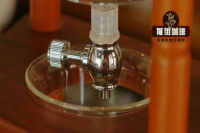
For professional coffee knowledge and more coffee bean information, please follow Coffee Workshop (WeChat official account: cafe_style). Both light roast or dark roast coffee beans can be used to make cold drip coffee beans. In terms of flavor, dark roast coffee beans produce a rich, full-bodied coffee taste; light roast beans present very gentle acidity and refreshing qualities
2025-07-01 cold drip coffee what coffee beans difference serving how many milliliters coffee powder water -
Kenya Washed AA Grade Kirinyaga Region Kabare Kongyu Coffee Bean Varieties, Brand Recommendations, and Estates

Professional barista exchanges please follow Coffee Workshop (WeChat public account cafe_style) The fresh coffee cherries of this batch of Kongyu AA are harvested and processed by 250 farmers from the Kongyu processing plant under the Kabare Farmers' Cooperative Society. After being pulped, fermented, and washed with water from the nearby Kongyu River, the coffee will be placed on African drying beds for drying. During each harvest season, farmers will process
2017-05-13 Kenya Washed Kirinyaga Region Kabare Kongyu Specialty Coffee Beans
Editor's Pick Today

Most Read This week
Hot Tags
-
drip coffee
Blue Mountain Coffee
Specialty coffee beans
moka pot
Flat white coffee
Coffee Latte
iced drip coffee
ICE-DRIP
Water Drip Coffee
ice drip coffee
Dutch Coffee
Huakui coffee
Yunnan Coffee
hand ground coffee
ground coffee
Yirgacheffe
pour-over coffee
geisha coffee
coffee bean
Coffee website
You May Like
- Panama La Esmeralda Estate: World's Top 10 Coffee Estates and Characteristics of Blue, Green, and Red Label Geisha Coffee Beans
- Are Cold Brew and Cold Drip the Same Thing? Recommended Single-Origin Coffee Beans for Cold Brew
- How Many Classifications Are There for Gesha Coffee Beans? What Do the Different Grades Like Gold Label, Red Label, Green Label, and Blue Label Mean?
- How to make bubble ice American so that it will not spill over? Share 5 tips for making bubbly coffee! How to make cold extract sparkling coffee? Do I have to add espresso to bubbly coffee?
- luckin Coffee Calorie Ranking - Luckin New Product Review: Are the Green Grape Oat Latte and Thick Milk Latte Delicious?
- Washed Geisha vs Natural Geisha: Flavor Differences Between Panama Hacienda La Esmeralda's Washed and Natural Geisha
- Natural Geisha Comparison: What's the Difference Between Panama Hacienda La Esmeralda's Natural Blue Label and Green Label?
- Yirgacheffe Coffee Bean Grading Standards, Variety Characteristics, Flavor Description, Growing Regions, and Pour-Over Coffee Taste Profile